Exploring the Digital and Computational Arts and Humanities for Societal Impact
I work at the point where close reading meets computation — researching memory, cognition and digital culture in contemporary fiction, directing the Digital Futures Lab, and helping universities and academics secure funding and build digital strategy.
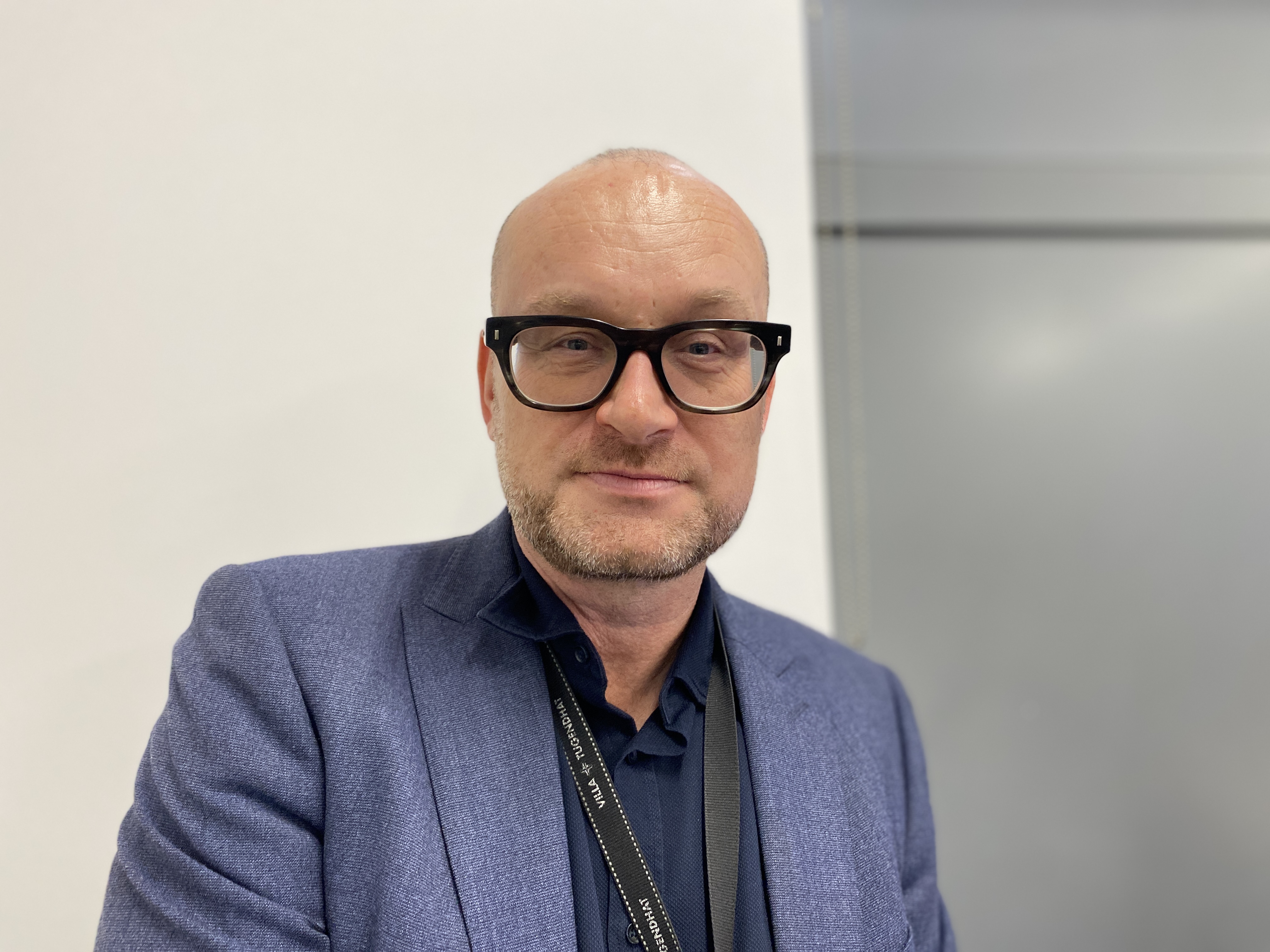
“As teacher, writer and editor, Sebastian Groes is one of the most interesting figures of his generation.” — Ian McEwan
Three strands, one way of thinking
Literary scholarship, digital humanities infrastructure, and practical consultancy for the sector — each informs the other.
Literature, Memory & Digital Culture
Modern and contemporary fiction, cognition and the senses, digital inequality, and the unconscious biases shaping what we read. Author and editor of nineteen books, with a forthcoming title from MIT Press.
Research & publications →Digital Futures Lab & CLS Hub
Director of the UK's first Computational Literary Studies Hub and founder of the Digital Futures Lab — an experimental space for creative-critical work on digital transformation.
Explore the Lab →Grant Capture & Digital Strategy
Through ApexHE, I advise academics and institutions on competitive bid writing and AI/VR digital innovation — drawing on £500,000+ in grants won and work with the BBC, AHRC, and others.
Visit ApexHE →A career built on bridging worlds
From a PhD in English at the University of East Anglia to directing a research centre spanning continents, my work has always asked the same question in different registers: how does the literary imagination help us understand — and survive — periods of technological and social upheaval? That question has taken me from Ishiguro and McEwan to stroke recovery, fake news, and the ethics of AI in the lecture hall.
My research has reached the House of Lords, BBC News and Radio 4, and partners including the British Library, the Serpentine Gallery and eBay. I currently direct the Centre for Transnational and Transcultural Research and the Digital Futures Lab at the University of Wolverhampton.